 PolandMaleCare
Natural Sources of Vitamins and Minerals
Discover the nutritional composition of everyday foods and understand the role of essential vitamins and minerals in maintaining balanced nutrition. This resource provides educational information about natural dietary sources found in common produce.
Educational content only. No promises of outcomes.
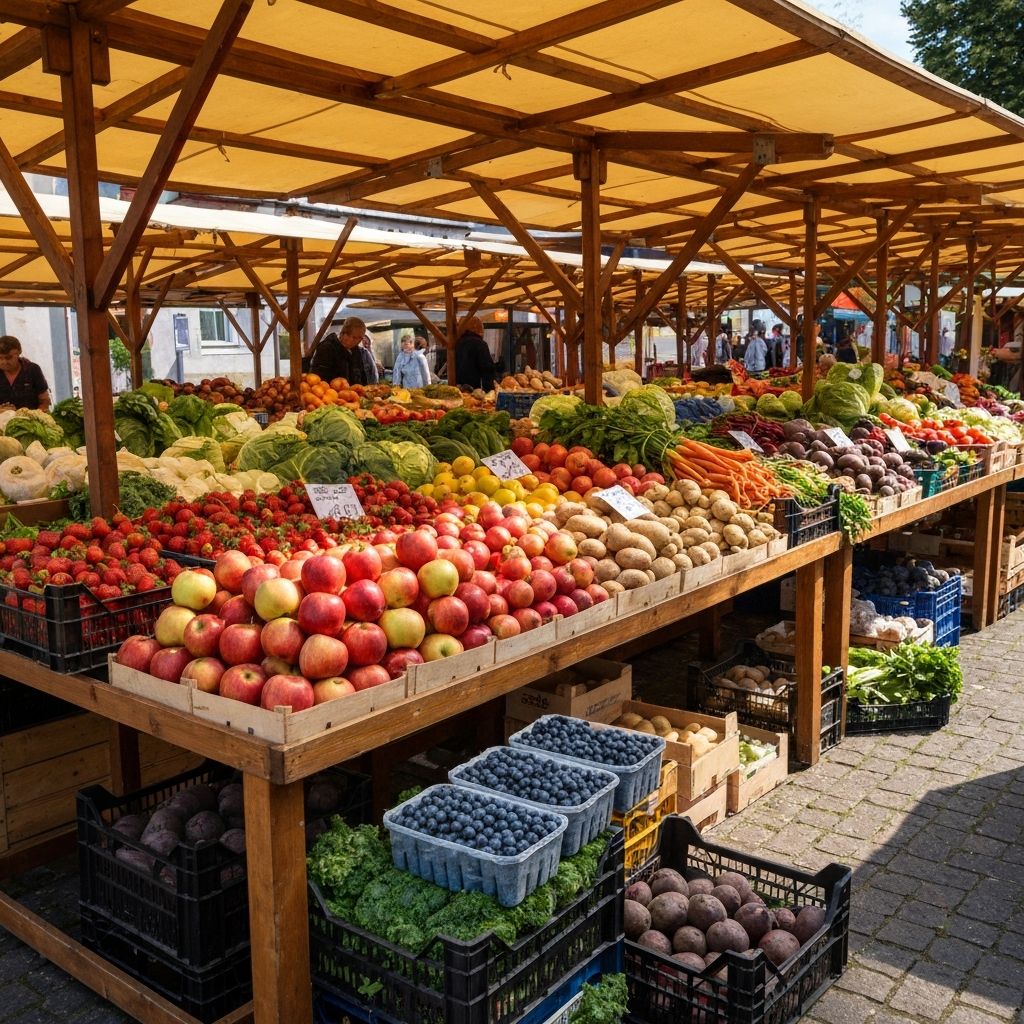
Introduction to Everyday Nutrients
Vitamins and minerals are essential micronutrients found in a wide variety of foods. They participate in numerous biochemical processes within the body and are obtained through a balanced diet containing diverse food sources.
Different foods contain different combinations of nutrients. Understanding the composition of everyday produce helps contextualize the importance of dietary variety. This section explores the basic categories of nutrients found in common foods available in everyday life.
Key Categories of Micronutrients
- Water-soluble vitamins: B vitamins and vitamin C
- Fat-soluble vitamins: Vitamins A, D, E, and K
- Major minerals: Calcium, phosphorus, magnesium, potassium, sodium
- Trace minerals: Iron, zinc, copper, selenium, iodine
Vitamins in Berries and Fruits
Berries and fruits are recognized as rich sources of various vitamins, particularly vitamin C and various B vitamins. These produce categories are studied extensively for their diverse nutritional profiles.
Different types of berries contain varying concentrations of specific vitamins. Some varieties are noted for their vitamin C content, while others provide notable amounts of folate or other B vitamins. Seasonal availability influences the types of berries accessible in any given region.
Vitamins Found in Berries
- Vitamin C (ascorbic acid)
- Folate (vitamin B9)
- Vitamin K
- Various other B vitamins
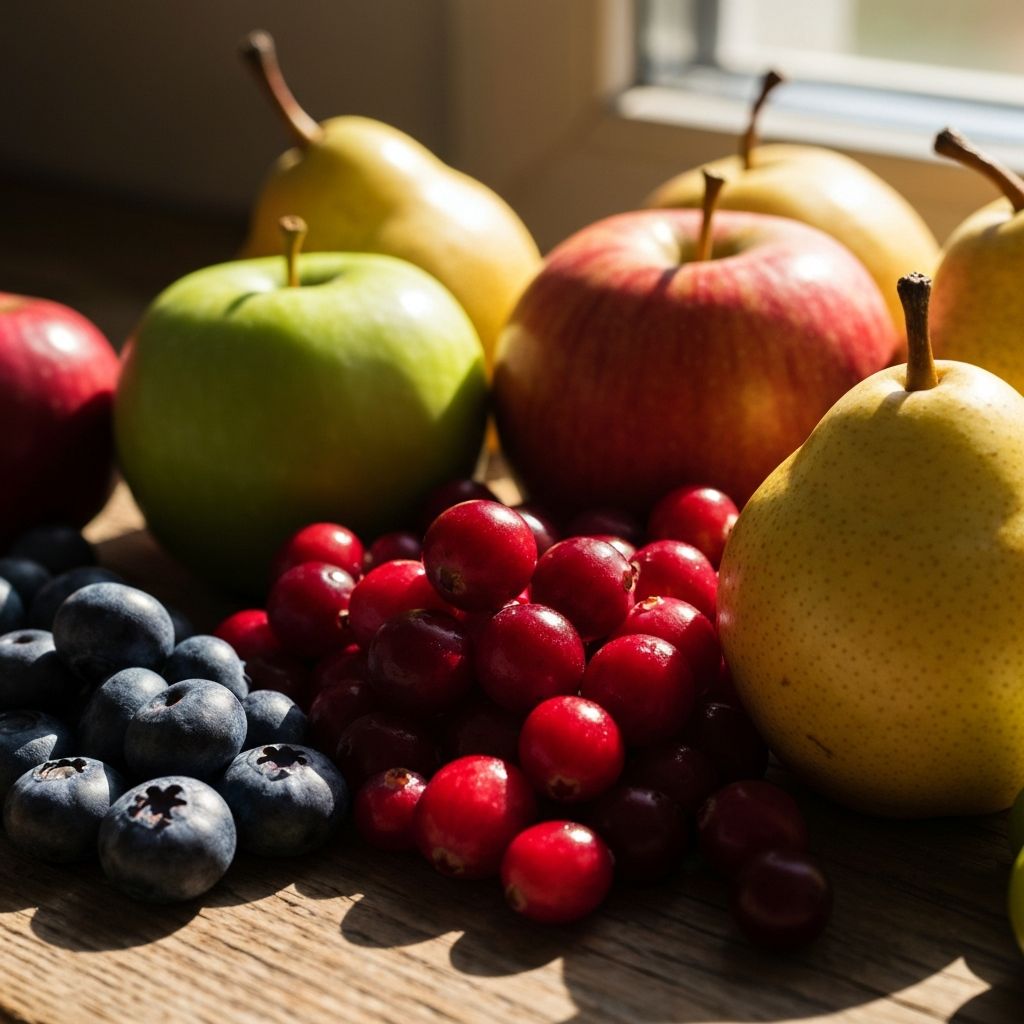
Common Nutrient Sources
Everyday produce items contain diverse combinations of vitamins and minerals. The following examples represent widely consumed foods and their documented nutritional compositions.
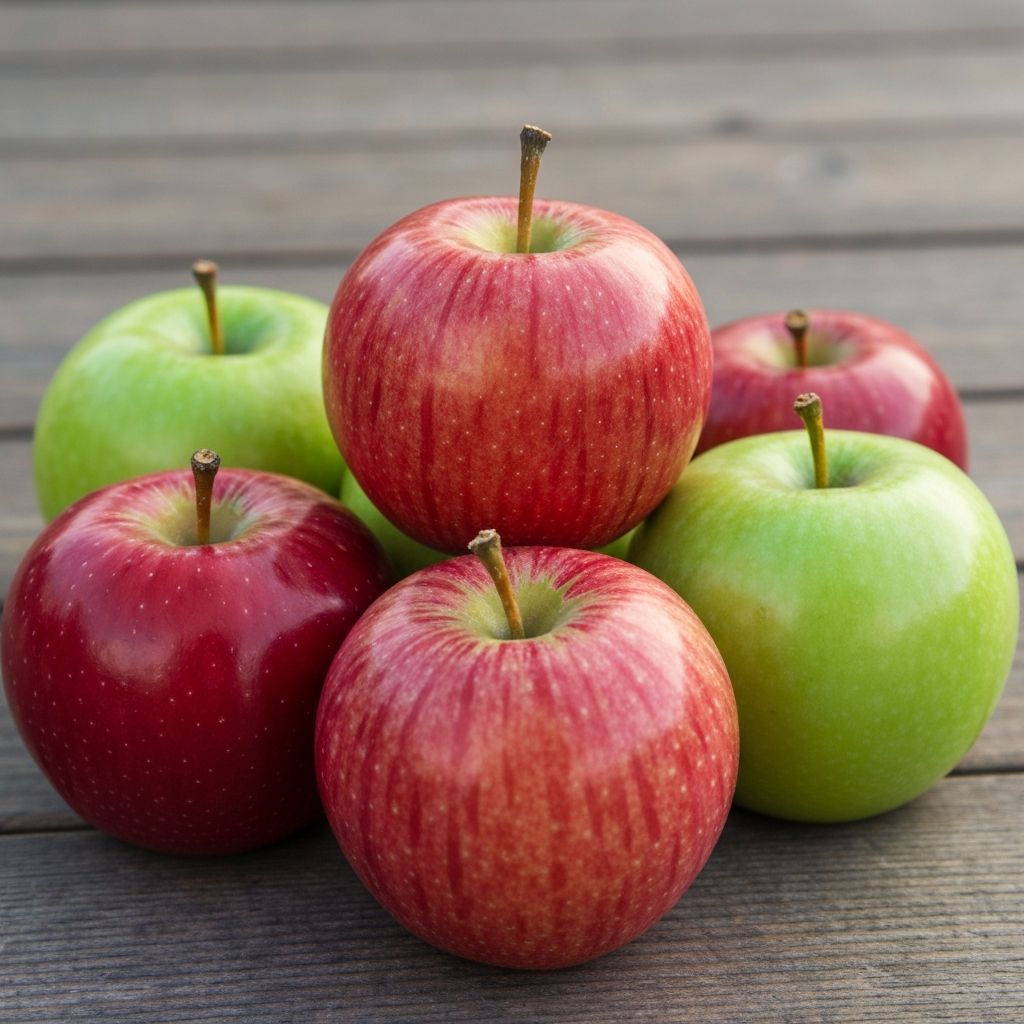
Apples
Apples contain vitamin C, dietary fiber, and various polyphenols. The composition varies slightly between different apple varieties. Studies document the presence of B vitamins in smaller quantities.

Blueberries
Blueberries are noted for significant vitamin C content and various anthocyanins. They also contain small amounts of vitamin K and folate. The nutrient density makes them frequently cited in nutritional literature.
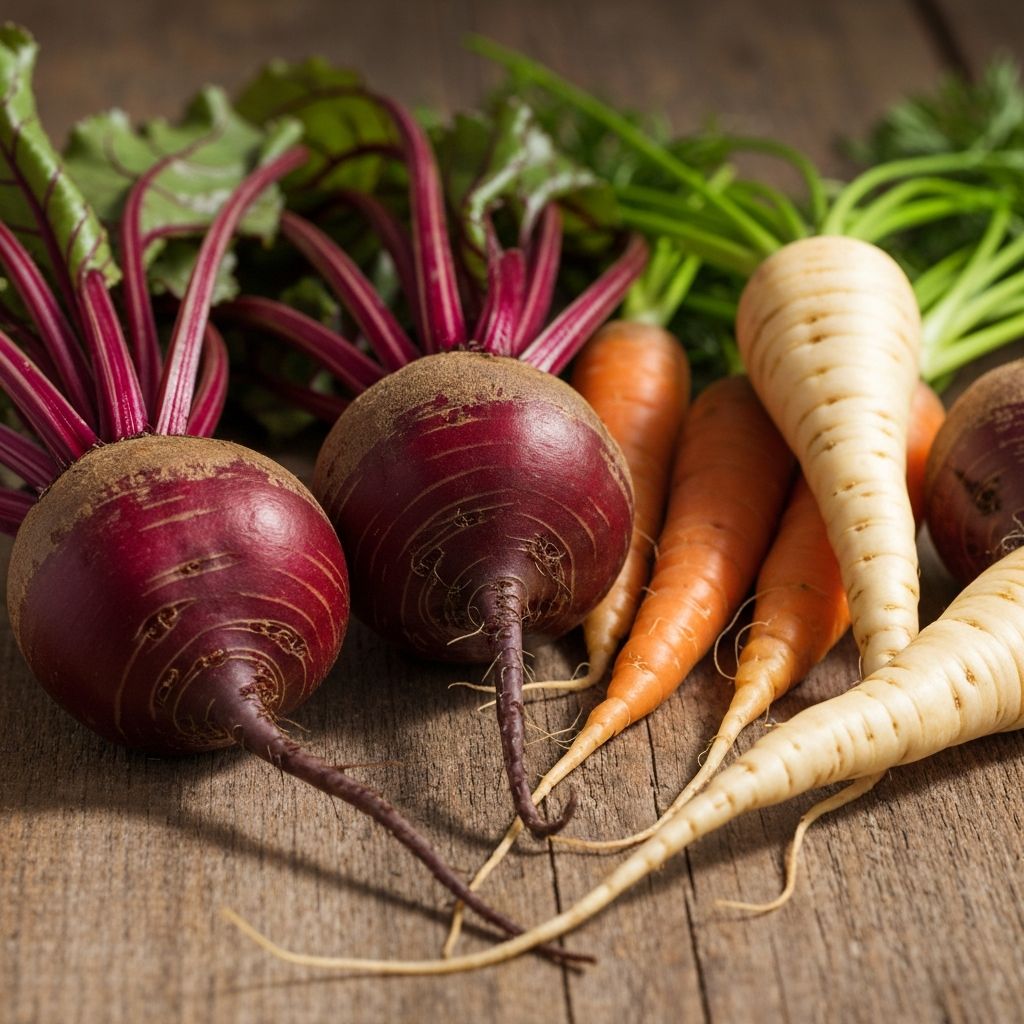
Beets
Beets provide folate, manganese, and various minerals. They contain vitamin C in moderate amounts. The pigmentation compounds are subjects of nutritional research.
Minerals from Root Vegetables
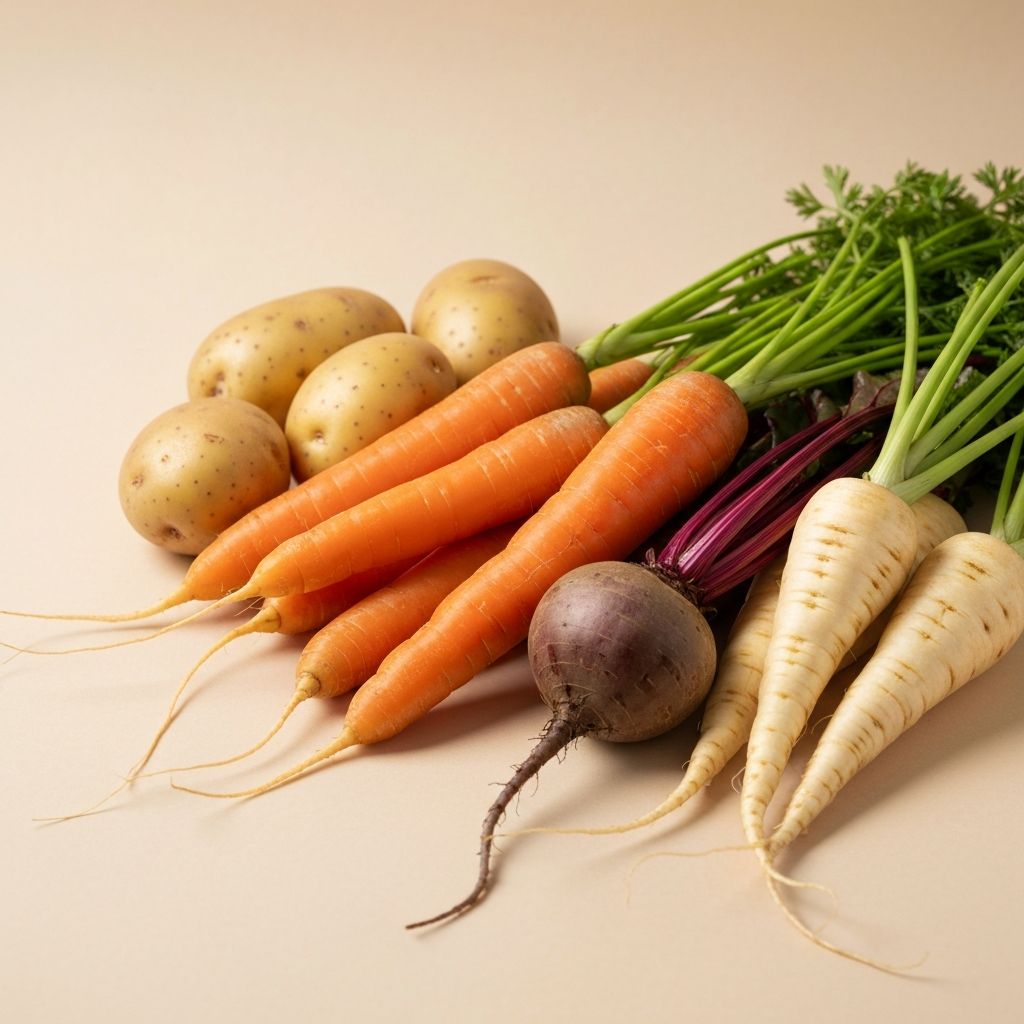
Root vegetables such as carrots, potatoes, and parsnips contain various minerals that are documented in nutritional databases. These foods have been staples in diets across different cultures.
The mineral content in root vegetables includes potassium, manganese, and various other trace minerals. Growing conditions and soil composition can influence the specific mineral concentrations in these produce items.
Minerals in Root Vegetables
- Potassium
- Manganese
- Copper
- Phosphorus
- Magnesium in smaller amounts
Role of Antioxidants in Produce
Antioxidants are compounds found in various plant-based foods. They are studied for their biochemical properties and their role in various physiological processes. Different produce items contain different types and concentrations of antioxidant compounds.
Categories of dietary antioxidants include flavonoids, phenolic acids, carotenoids, and vitamins such as C and E. These compounds are present in many fruits and vegetables in varying quantities.
Common Antioxidant Compounds in Food
| Antioxidant Type | Common Food Sources | Characteristics |
|---|---|---|
| Anthocyanins | Berries, dark fruits | Responsible for red and purple pigmentation |
| Carotenoids | Carrots, sweet potatoes, squash | Responsible for orange and yellow colors |
| Flavonoids | Apples, berries, leafy greens | Various subclasses with different distributions |
| Vitamin C | Citrus, berries, cabbage | Water-soluble, requires consistent dietary intake |
Cabbage Family Nutritional Value
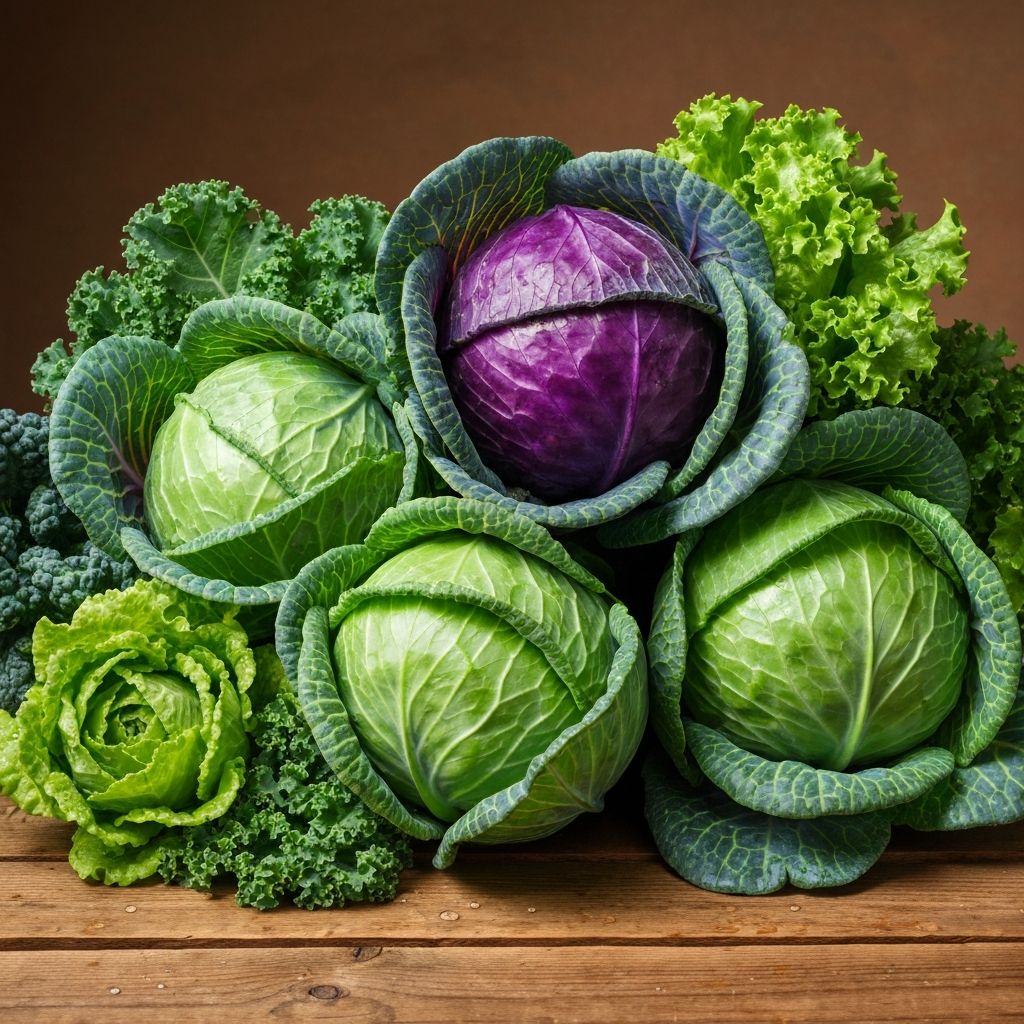
The Brassica family, which includes cabbage, broccoli, and similar vegetables, contains a distinctive array of compounds. These vegetables have been studied extensively for their nutritional composition.
Cabbage varieties contain vitamin C, vitamin K, and folate. They also contain compounds known as glucosinolates, which are being studied in nutritional science. Different preparation methods can affect the bioavailability of certain nutrients.
Seasonal Polish Fruits Facts
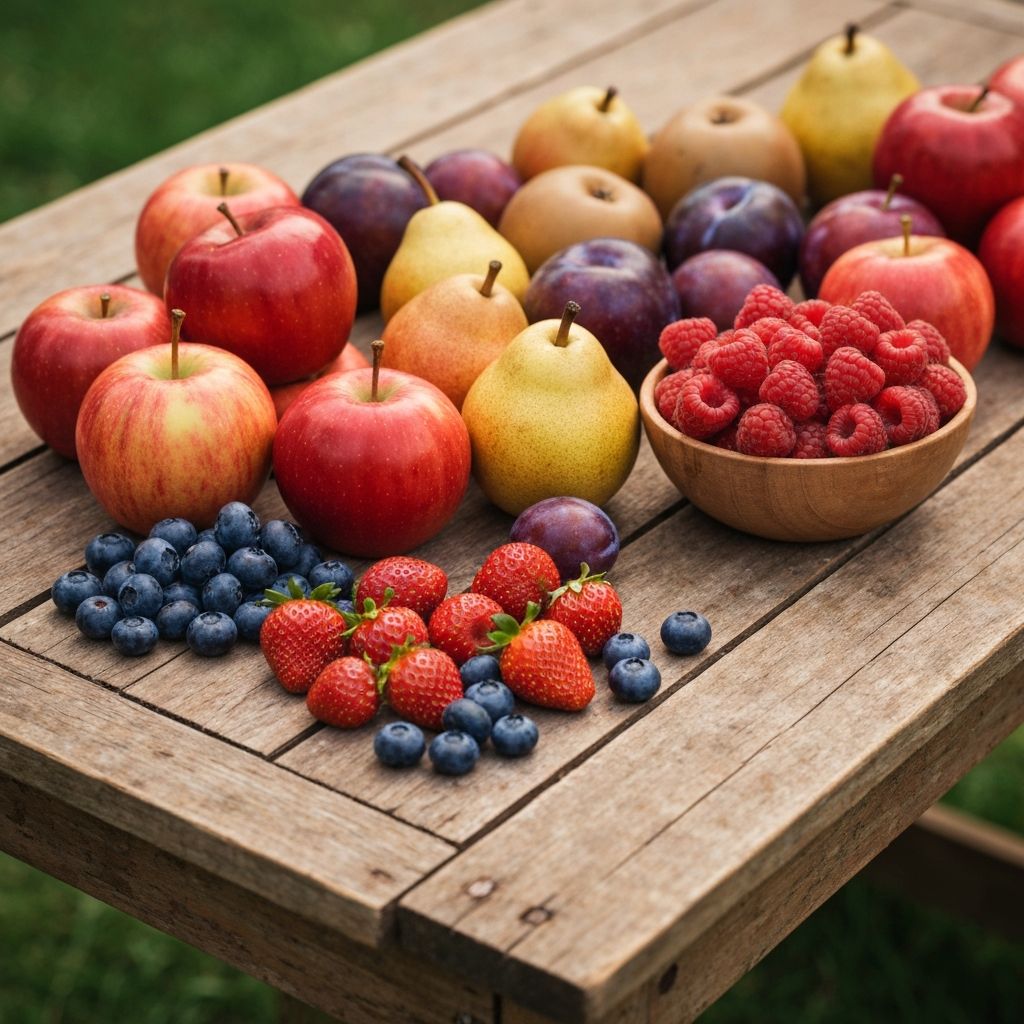
Poland's climate supports the cultivation of various fruit types across different seasons. Seasonal produce availability influences dietary diversity throughout the year.
Spring and summer bring berries, stone fruits, and early apples. Autumn provides additional fruit varieties and extended apple harvests. Winter storage allows access to preserved produce varieties.
Seasonal Availability in Poland
- Spring: Strawberries, early berries
- Summer: Cherries, plums, berries, apples begin
- Autumn: Full apple harvest, late berries, pears
- Winter: Storage varieties, preserved options
Common Nutrition Misconceptions
Various beliefs exist about nutrition and diet. This section clarifies some common misunderstandings based on available nutritional science.
"One food is a complete nutrition source"
No single food contains all necessary nutrients in optimal amounts. Dietary variety is necessary to obtain the full spectrum of vitamins and minerals required.
"More vitamin intake always improves results"
Nutrients function within specific physiological ranges. Excessive intake of certain vitamins can lead to imbalances. Moderation and variety are the evidence-based approach.
"Fresh is always superior to other forms"
Nutritional value varies based on ripeness, storage, and preparation. Frozen and properly stored produce can retain significant nutrient content. Form matters less than overall dietary composition.
"Organic automatically means more nutritious"
Growing method does not automatically determine nutritional density. Nutrient content depends on soil quality, climate, ripeness, and variety. Both organic and conventional produce contribute to balanced diet.
Variety in Natural Diet Sources
Dietary variety is a foundational principle in nutrition science. Different foods contain different nutrient profiles, and consuming a wide range of foods supports comprehensive nutrient intake.
Rotating between different produce items across seasons ensures exposure to varying micronutrient combinations. Local and regional produce provides opportunities for consistent dietary diversity.
Planning meals that include fruits, vegetables, whole grains, legumes, and other food groups creates a foundation for meeting nutritional diversity requirements.
References and Data Summary
The information presented on this site is based on established nutritional science and documented food composition data. Nutrient values cited are derived from standard nutritional databases and peer-reviewed nutritional literature.
For specific nutrient content of individual foods, refer to official food composition databases or nutritional references. Values can vary based on variety, ripeness, storage conditions, and preparation methods.
Recommended Data Sources
- National Food Composition Databases
- USDA FoodData Central
- Peer-reviewed nutritional journals
- Official nutrition and public health organizations
Continue Learning
This educational resource provides foundational information about natural sources of vitamins and minerals in everyday foods. Use this information to better understand food composition and nutritional diversity.
Learn More About This Resource Read Full Disclaimer